

A long line of high coastal cliffs makes Sunset Cliffs Park an unusual place for a walk in San Diego. Sunset Cliffs Park is not built around a difficult hiking route. It is more a relaxed coastal walk of about two miles, with stairs, small beaches, sea caves, and viewpoints along the edge above the Pacific Ocean.
Sunset Cliffs Park Walking Route and Coastal Features
Visitors follow the coastline and can move at a slow or brisk pace, depending on how much time they want near the water. The cliffs are often steep and drop toward the ocean, so the route gives wide views almost all the way.
This area does not feel like one fixed trail with a clear start and finish. Different stairs and small paths lead away from the upper route. Some go toward secluded beaches, while others reach rock sections, sea caves, or lower cliff areas. Two visits can feel different even when a person follows the coastline.
Stairs Down to the Lower Coast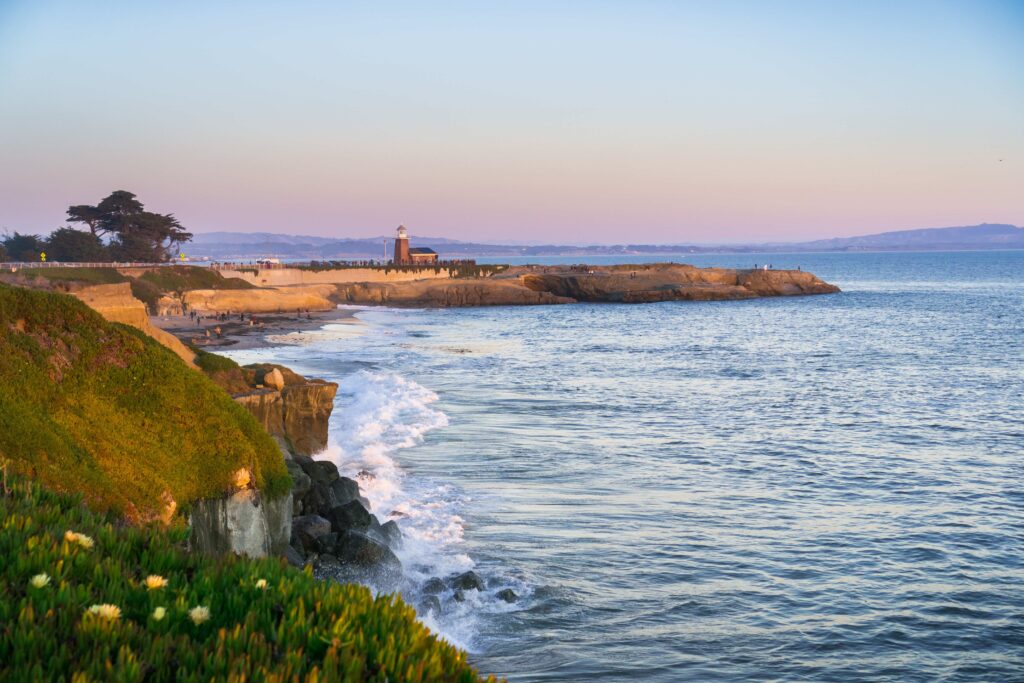
One of the notable sections is near the park area where stairs descend around 100 feet toward the coastline. At the bottom, visitors can move along the shore in both directions when tide conditions allow it. The lower coast gives a closer view of cliffs, rocks, and waves than the upper walking route.
Low tide can open more space for exploring. Some sections become easier to reach, and tide pools appear among the rocks. Walking far along the coast depends on tide level, so the lower route is not always the same from one visit to another.
Sunset Cliffs Park Beaches, Caves and Tide Pools
The cliffs have many features close together. A short walk may lead from an open viewpoint to stairs, a beach, or a rocky section. The area also has places where water and erosion created sea caves. These details make the walk less repetitive.
Visitors can expect several common features:
- A coastal walk of about two miles
- High cliffs above the Pacific Ocean
- Stairways leading toward small beaches
- Sea caves and exposed rock areas
- Tide pools visible near the lower coast
- Surfing activity in the waves
- Wide coastal views near sunset
The tide pools are small but still have visible marine life. Sea anemones can be found there, together with small fish and crabs. The pools are only one part of the landscape, and they sit below the large cliffs that form the main background of the area.
Surfing and Photography Around the Cliffs
The shoreline is also used by surfers. Waves below the cliffs create several places where surfboards are common in the water. On land, the open coast attracts people taking photographs. The cliffs, ocean, rocks, and changing light give many different backgrounds within a relatively short distance.
People sometimes use the area for personal photo sessions, including formal or wedding photographs. Sunset hours change the light over the water and make the cliffs look different from the middle of the day.
Safety When Exploring Sunset Cliffs Park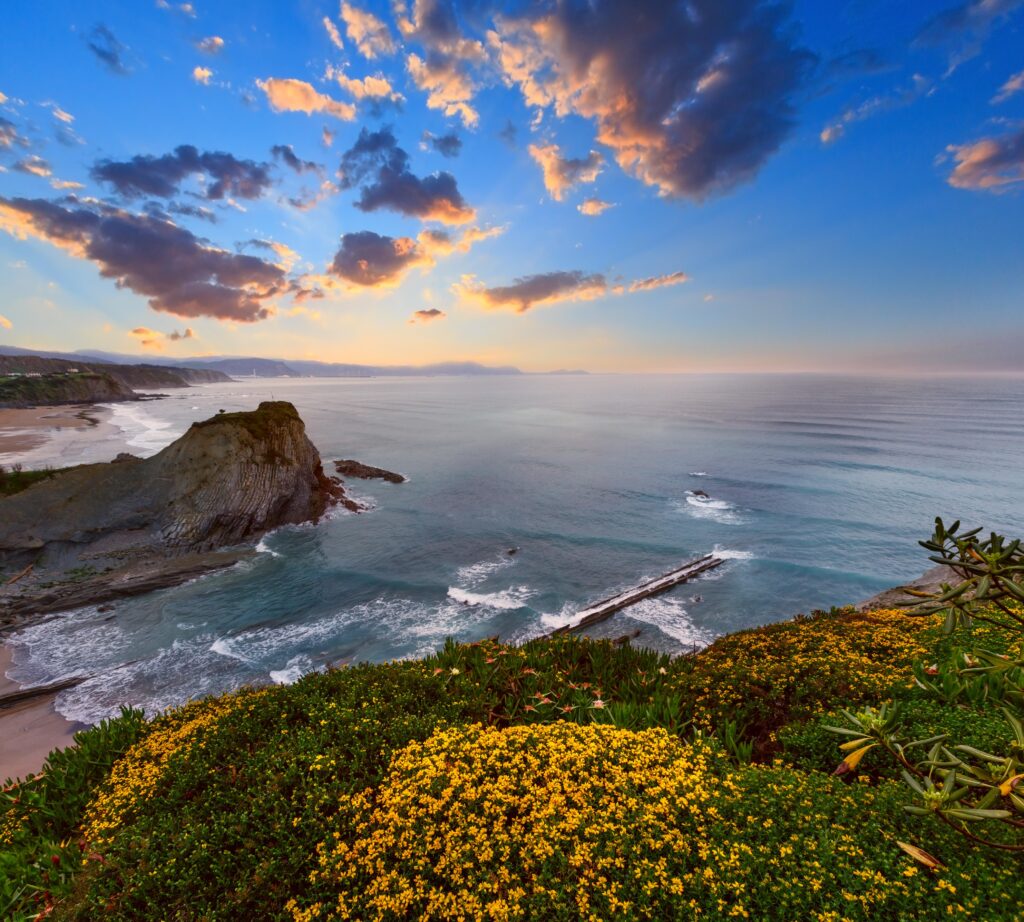
The open setting can look calm, but the cliff edge needs serious attention. Some drops are direct and very high. Falls have caused deaths in the area, so safe footing matters near viewpoints, narrow sections, and places where rock reaches toward the ocean.
Visitors should not treat every visible path as equally safe. Loose ground, steep edges, and wet rock can create problems, especially close to the lower coastline. Moving carefully is more important than reaching every cave, rock point, or beach.
Tide conditions also affect access below the cliffs. A route that looks open at low tide may become difficult when water rises. Anyone walking along the lower coast should watch the ocean and remember where the stairs or another exit point is located.